

What is the difference between a linear and a curved LED light bar?
Mon 03,2025
Leave a message
Hey there! As an LED Light Bar supplier, I've had my fair share of customers asking about the difference between linear and curved LED light bars. So, I thought I'd take a moment to break it down for you all.
Design and Shape
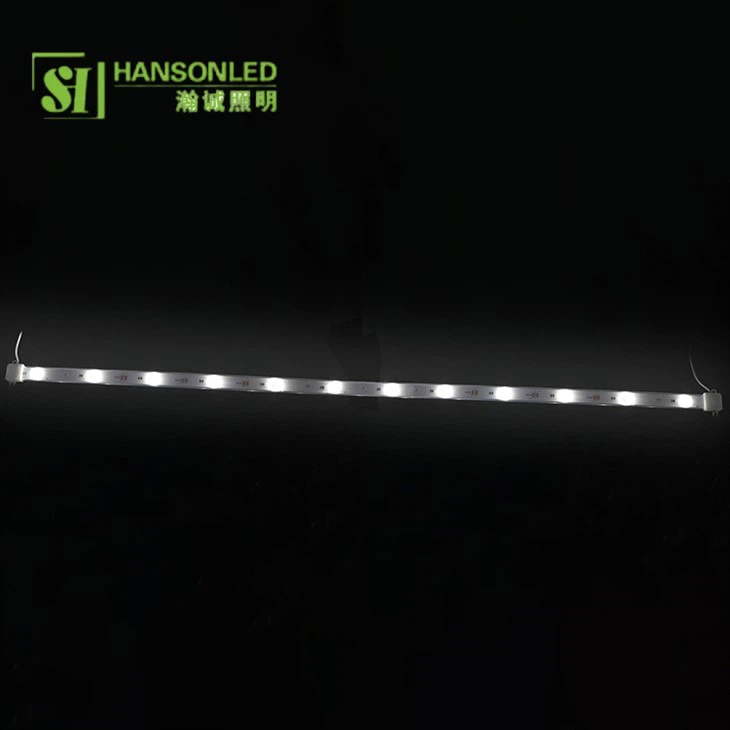
Let's start with the most obvious difference: the shape. A linear LED light bar, as the name suggests, is straight. It's like a long, thin rectangle that emits light evenly along its length. This design makes it super versatile and easy to install in a variety of settings. You can use it for under - cabinet lighting in your kitchen, as a backlight for your TV, or even in commercial display cases.
On the other hand, a curved LED light bar has a bend to it. It can be semi - circular, U - shaped, or have other custom curves. This shape allows for more creative lighting solutions. For example, in a circular display, a curved light bar can perfectly follow the contour and provide uniform illumination. It's also great for creating a more dynamic and eye - catching lighting effect in places like bars, clubs, or modern - style homes.
Installation
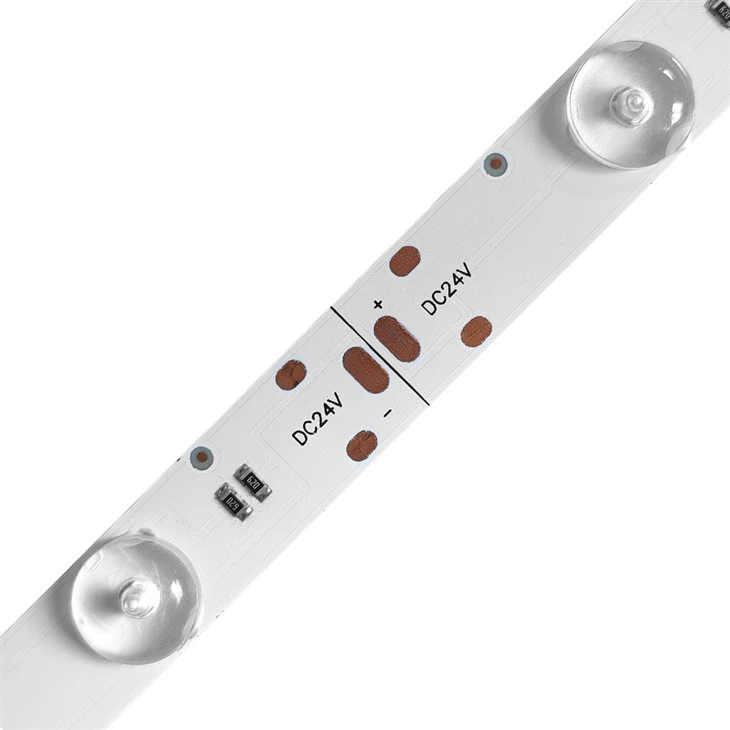
When it comes to installation, linear LED light bars are a breeze. Since they're straight, you can easily mount them on flat surfaces. You just need to make sure the surface is clean and dry, and then use the adhesive backing or mounting brackets that usually come with the light bar. They can be cut to the desired length in most cases, which gives you even more flexibility during installation.
Curved LED light bars, however, require a bit more finesse. You need to have a surface that matches the curve of the light bar. If you're installing it on a custom - made structure, you have to ensure that the curvature is precise. Otherwise, the light bar might not fit properly, and the lighting might look uneven. But once you get it right, the end result can be really stunning.
Lighting Distribution
The shape of the light bar also affects how the light is distributed. Linear LED light bars typically provide a more straightforward, uniform light distribution. The light spreads out in a linear pattern, which is great for tasks that require even illumination, like reading or working in a kitchen.
Curved LED light bars, due to their shape, can create a more diffused and ambient lighting effect. The light bounces off the curved surface in different directions, which can add a soft, warm glow to a room. This makes them ideal for creating a relaxing atmosphere in living rooms, bedrooms, or hospitality settings.
Applications
Linear LED light bars have a wide range of applications. They're commonly used in residential settings for things like task lighting in kitchens and bathrooms. In commercial spaces, they're often used for display lighting in shops and offices. You can also find them in automotive applications, like under - car lighting or interior dashboard lighting. Check out our LED Light Bar for more options.
Curved LED light bars are more focused on creating a unique aesthetic. They're popular in architectural lighting, where they can be used to highlight the curves and contours of a building. In the entertainment industry, they're used on stages and in theaters to add a touch of drama. You can also use them in home decor projects, like creating a custom - lit headboard or a decorative wall feature. If you're looking for something special, our LED Lens Bar Light offers some great curved options.
Durability and Waterproofing
Both linear and curved LED light bars can come with different levels of durability and waterproofing. For linear light bars, there are many options available that are suitable for both indoor and outdoor use. Our Waterproof LED Light Bar is a great example. It's designed to withstand moisture and harsh weather conditions, making it perfect for outdoor signage, patio lighting, or even in wet areas like bathrooms.
Curved LED light bars can also be made waterproof, but the manufacturing process might be a bit more complex due to the shape. However, with the right technology and materials, they can be just as durable as linear light bars in wet environments.
Cost
In general, linear LED light bars tend to be more cost - effective. They're easier to manufacture, and the production process is more standardized. This means that you can get a high - quality linear light bar at a relatively low price.
Curved LED light bars, on the other hand, are usually more expensive. The custom - shaped manufacturing process requires more precision and specialized equipment, which drives up the cost. But if you're willing to invest in a unique lighting solution that can really make a statement, the extra cost might be worth it.
Conclusion
So, there you have it! The main differences between linear and curved LED light bars come down to design, installation, lighting distribution, applications, durability, and cost. Whether you choose a linear or a curved light bar depends on your specific needs and the look you're trying to achieve.
If you're still not sure which one is right for you, or if you have any questions about our LED light bars, don't hesitate to reach out. We're here to help you find the perfect lighting solution for your project. Whether it's for a small home improvement or a large - scale commercial installation, we've got you covered.
Let's start a conversation about your lighting needs and see how we can make your space shine!
References
- General knowledge from years of experience in the LED Light Bar industry.
- Industry research on LED lighting technology and trends.
