

What tools do I need to cut an RGB LED strip?
Tue 04,2025
Leave a message
Hey there! As a supplier of RGB LED strips, I often get asked about the tools needed to cut these awesome lighting products. So, I thought I'd put together this blog post to share all the essential tools you'll need to cut an RGB LED strip like a pro.
First things first, let's talk about why you might want to cut an RGB LED strip. Well, these strips are usually sold in standard lengths, but you might need a custom length to fit your specific project. Maybe you're lighting up a small display case or a unique-shaped room. Whatever the reason, cutting the strip to the right size is crucial.
1. Sharp Scissors or a Utility Knife
The most basic tool you'll need is a pair of sharp scissors or a utility knife. I recommend using sharp scissors if you're cutting a thin and flexible RGB LED strip. They're easy to handle and can make clean cuts. Just make sure the scissors are sharp enough to cut through the strip without fraying the edges.
If you're dealing with a thicker or more rigid strip, a utility knife might be a better option. A utility knife gives you more control and can make precise cuts. When using a utility knife, be extra careful not to cut yourself. Always use a cutting mat or a hard surface to protect your work area.
2. Soldering Iron and Solder
Once you've cut the RGB LED strip, you might need to connect it to a power source or other strips. That's where a soldering iron and solder come in handy. A soldering iron is used to melt the solder, which then bonds the electrical connections together.
When choosing a soldering iron, look for one with adjustable temperature settings. This allows you to set the right temperature for the type of solder and LED strip you're using. You'll also need some good-quality solder. I recommend using a lead-free solder for safety reasons.
Soldering can be a bit tricky if you're new to it, but with a little practice, you'll get the hang of it. Make sure to clean the soldering iron tip regularly to ensure good heat transfer and clean connections.
3. Wire Strippers
Wire strippers are essential for preparing the wires before soldering. They're used to remove the insulation from the ends of the wires, exposing the metal conductor. This allows for a better electrical connection when soldering.
There are different types of wire strippers available, but a simple pair with adjustable jaws will work fine for most RGB LED strip projects. Just make sure to choose the right size for the wires you're working with.
4. Electrical Tape or Heat Shrink Tubing
After soldering the connections, you'll need to insulate them to prevent short circuits. Electrical tape is a quick and easy way to do this. Just wrap the tape around the soldered connections to cover them completely.
Heat shrink tubing is another option. It's a more professional-looking solution and provides better insulation. To use heat shrink tubing, you'll need a heat gun. Simply slide the tubing over the soldered connection and apply heat with the heat gun. The tubing will shrink and form a tight seal around the connection.
5. Multimeter
A multimeter is a handy tool for testing the electrical connections and ensuring that everything is working properly. It can measure voltage, current, and resistance. Before powering on your RGB LED strip, use the multimeter to check the continuity of the connections and make sure there are no short circuits.
There are different types of multimeters available, from basic models to more advanced ones with additional features. For most RGB LED strip projects, a basic multimeter will be sufficient.
6. Heat Sink (Optional)
If you're using high-power RGB LED strips, you might want to consider using a heat sink. A heat sink helps to dissipate the heat generated by the LEDs, preventing them from overheating. This can extend the lifespan of the LEDs and improve their performance.
Heat sinks come in different shapes and sizes, so choose one that's suitable for your LED strip. You can attach the heat sink to the back of the LED strip using thermal adhesive or clips.
Tips for Cutting and Installing RGB LED Strips
- Read the Manufacturer's Instructions: Before cutting and installing your RGB LED strip, make sure to read the manufacturer's instructions carefully. Different strips may have different cutting and installation requirements.
- Plan Your Layout: Take the time to plan out your layout before cutting the strip. This will help you determine the right length and ensure that the strip fits your project perfectly.
- Test the Strip Before Installation: Before installing the strip, test it to make sure it's working properly. This will save you time and frustration in case there are any issues.
- Use Proper Safety Precautions: When working with electrical components, always use proper safety precautions. Wear safety glasses, gloves, and avoid working in wet or damp conditions.
Where to Find the Right RGB LED Strips
As a supplier, I offer a wide range of RGB LED strips to meet your needs. Whether you're looking for a RGBW LED Strip, a 3838 RGB LED Strip, or a RGB LED Strip 120 LED, I've got you covered.
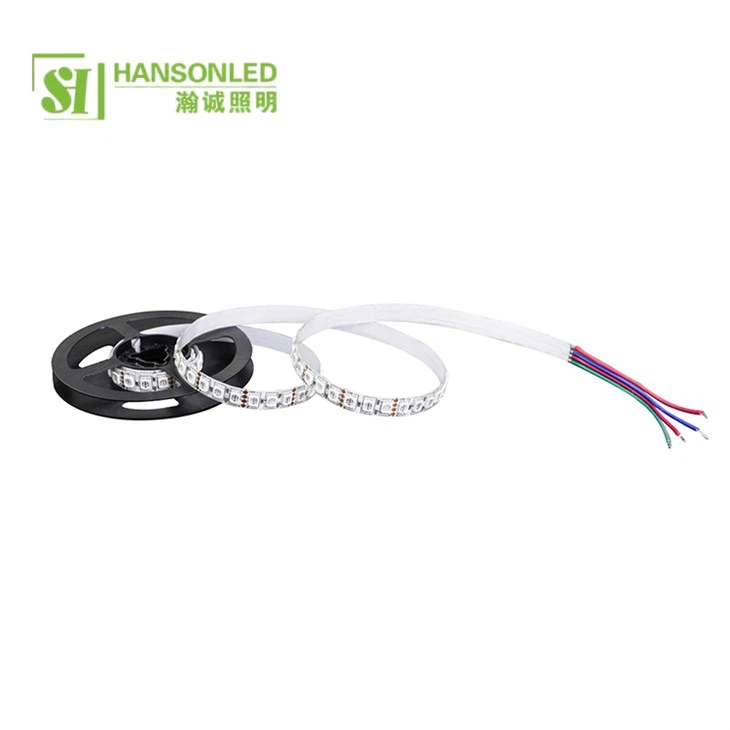
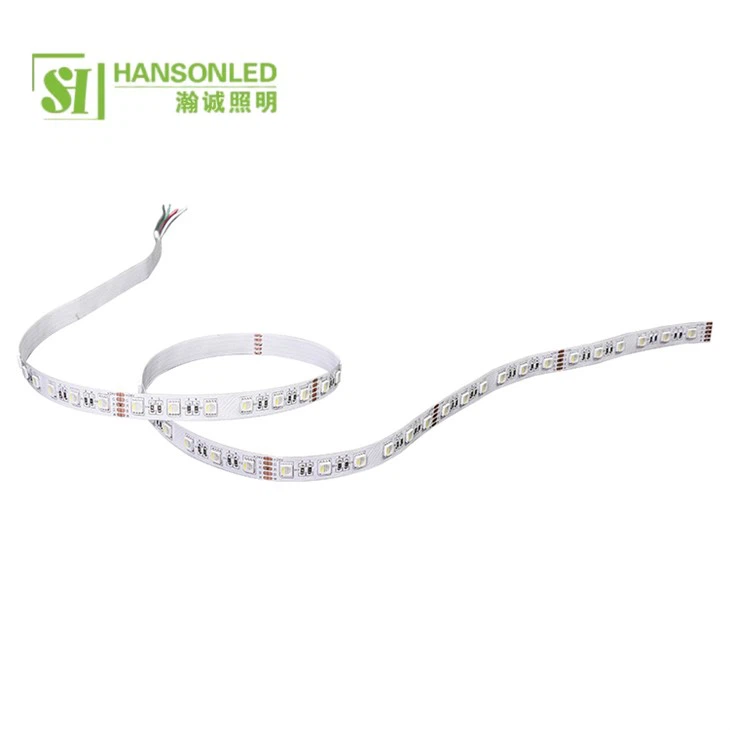
Our RGB LED strips are high-quality, energy-efficient, and come with a warranty. We also offer excellent customer service and support to help you with your project.
If you're interested in purchasing RGB LED strips or have any questions, feel free to reach out. We're here to help you bring your lighting projects to life.
Conclusion
Cutting an RGB LED strip requires a few essential tools, but with the right equipment and a little practice, you can do it like a pro. Remember to use sharp scissors or a utility knife for cutting, a soldering iron and solder for connecting the wires, wire strippers for preparing the wires, electrical tape or heat shrink tubing for insulation, a multimeter for testing, and a heat sink (optional) for high-power strips.
If you're in the market for RGB LED strips, don't hesitate to contact us. We're a trusted supplier with a wide range of products to choose from. Let's work together to create the perfect lighting solution for your project.
References
- General knowledge of RGB LED strip installation and tools.
- Manufacturer's guidelines for RGB LED strips.
