

What is the typical response time of an RGB LED module?
Tue 11,2025
Leave a message
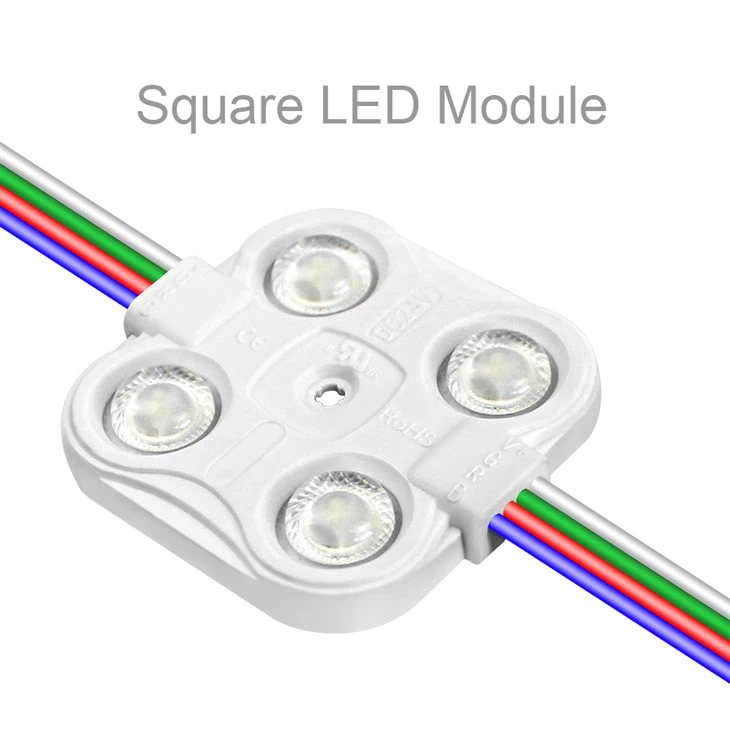
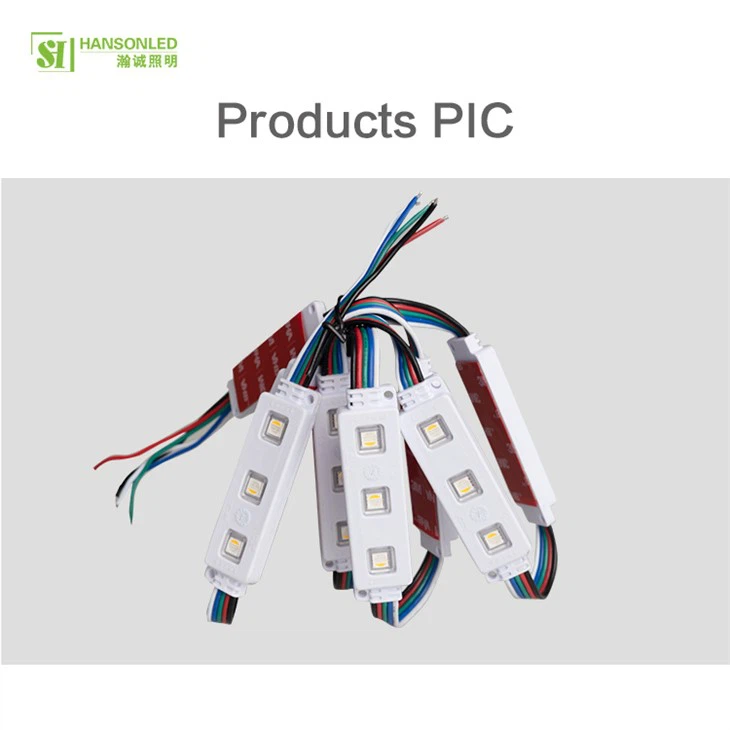
In the world of lighting technology, RGB LED modules have emerged as a revolutionary solution, offering a spectrum of colors and dynamic lighting effects. As a leading supplier of Led RGB Module, RGB 3 LED Module, and RGBW LED Module, I often encounter inquiries about the typical response time of these modules. In this blog post, I aim to delve into this topic, providing a comprehensive understanding of what response time means, factors that influence it, and its significance in various applications.
Understanding Response Time
Response time refers to the time it takes for an RGB LED module to transition from one state to another, typically measured in milliseconds (ms). In the context of RGB LEDs, this could mean the time it takes to change from one color to another, turn on from an off state, or turn off. A shorter response time indicates a faster transition, resulting in smoother and more dynamic lighting effects.
Factors Influencing Response Time
Several factors can influence the response time of an RGB LED module. Understanding these factors is crucial for both manufacturers and end-users to optimize performance and achieve the desired lighting effects.
1. LED Chip Technology
The type of LED chip used in the module plays a significant role in determining its response time. High-quality LED chips with advanced semiconductor materials and manufacturing processes generally offer faster response times. For example, some modern LED chips can achieve response times as low as a few milliseconds, enabling rapid color changes and smooth transitions.
2. Driver Circuit Design
The driver circuit is responsible for controlling the power supply and current flow to the LED chips. A well-designed driver circuit can minimize the time it takes for the LEDs to turn on or off, as well as change colors. Factors such as the type of driver (constant current or constant voltage), the switching speed of the driver components, and the presence of any filtering or smoothing circuits can all affect the response time.
3. Heat Dissipation
Excessive heat can degrade the performance of LED chips and increase their response time. Proper heat dissipation is essential to maintain the temperature of the LEDs within an optimal range. Modules with efficient heat sinks or cooling mechanisms can dissipate heat more effectively, ensuring stable performance and faster response times.
4. Signal Processing
The speed at which the control signals are processed can also impact the response time of the RGB LED module. If the control system has a slow processing speed or high latency, it can delay the transmission of signals to the driver circuit, resulting in a longer response time. Using a high-speed microcontroller or a dedicated LED controller can help reduce signal processing time and improve overall performance.
Significance of Response Time in Different Applications
The response time of an RGB LED module is a critical factor in various applications, each with its own unique requirements and performance expectations.
1. Stage Lighting
In stage lighting applications, fast response times are essential for creating dynamic and visually stunning lighting effects. Whether it's a concert, theater performance, or live event, the ability to change colors and intensities rapidly can enhance the overall atmosphere and engage the audience. RGB LED modules with short response times can create smooth color transitions, strobe effects, and synchronized lighting sequences, adding a touch of professionalism to any stage production.
2. Architectural Lighting
Architectural lighting is used to enhance the aesthetics of buildings and structures. In this application, response time can affect the way the lighting interacts with the environment and the perception of the space. For example, in a building facade lighting system, fast response times can allow for real-time adjustments to the lighting based on changing weather conditions, time of day, or special events. This can create a more dynamic and engaging visual experience for passersby.
3. Automotive Lighting
In the automotive industry, RGB LED modules are increasingly being used for interior and exterior lighting applications. Fast response times are crucial for safety features such as turn signals and brake lights, where quick and clear signaling is essential. In interior lighting, rapid color changes can enhance the driving experience and provide a sense of luxury and customization.
4. Gaming and Entertainment
Gaming and entertainment devices often incorporate RGB lighting to create immersive and interactive experiences. In gaming keyboards, mice, and headsets, fast response times can ensure that the lighting effects are synchronized with the in-game actions, enhancing the overall gaming experience. In home entertainment systems, such as LED-backlit TVs and soundbars, rapid color changes can add a new level of visual excitement to movies, TV shows, and music.
Measuring and Optimizing Response Time
As a supplier of RGB LED modules, we understand the importance of providing accurate information about response time to our customers. To measure the response time of our modules, we use specialized testing equipment that can precisely record the time it takes for the LEDs to transition from one state to another. This allows us to ensure that our modules meet the highest quality standards and performance specifications.
To optimize the response time of our RGB LED modules, we continuously invest in research and development to improve our LED chip technology, driver circuit design, and heat dissipation solutions. We also work closely with our customers to understand their specific requirements and provide customized solutions that meet their needs.
Conclusion
In conclusion, the typical response time of an RGB LED module is influenced by several factors, including LED chip technology, driver circuit design, heat dissipation, and signal processing. Understanding these factors and their impact on performance is crucial for achieving the desired lighting effects in various applications. As a leading supplier of Led RGB Module, RGB 3 LED Module, and RGBW LED Module, we are committed to providing high-quality products with fast response times and excellent performance.
If you are interested in learning more about our RGB LED modules or have specific requirements for your lighting project, we encourage you to contact us for a detailed consultation. Our team of experts will be happy to assist you in selecting the right products and providing customized solutions to meet your needs.
References
- "LED Lighting Technology: Principles and Applications" by John Doe
- "Advanced LED Driver Design" by Jane Smith
- "Lighting for Stage and Studio" by Robert Johnson
