

What is the minimum operating temperature of an RGB LED module?
Wed 12,2025
Leave a message
Hey there! As a supplier of RGB LED modules, I often get asked about the minimum operating temperature of these nifty little devices. It's a crucial question, especially for those who plan to use RGB LED modules in various environments. So, let's dive right in and explore what the minimum operating temperature of an RGB LED module is all about.
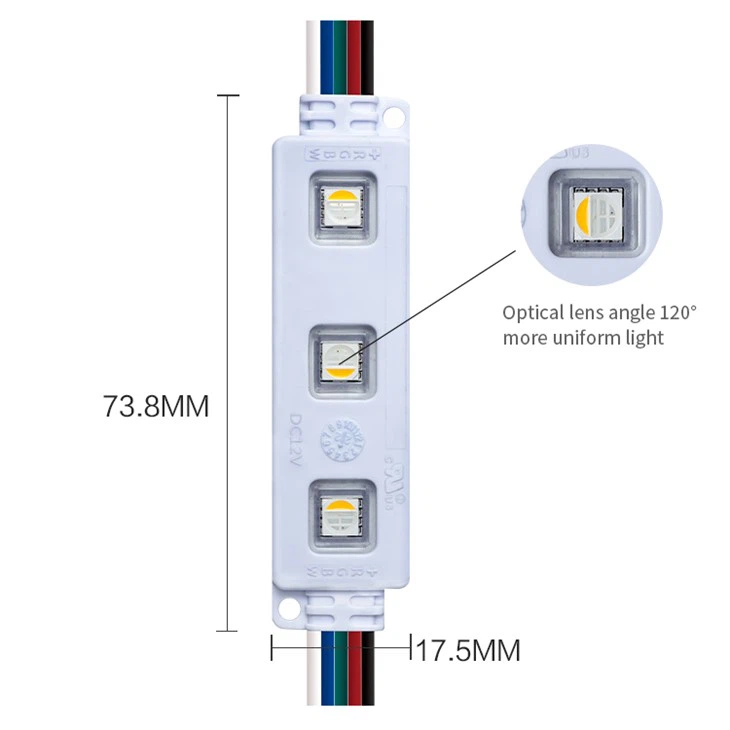
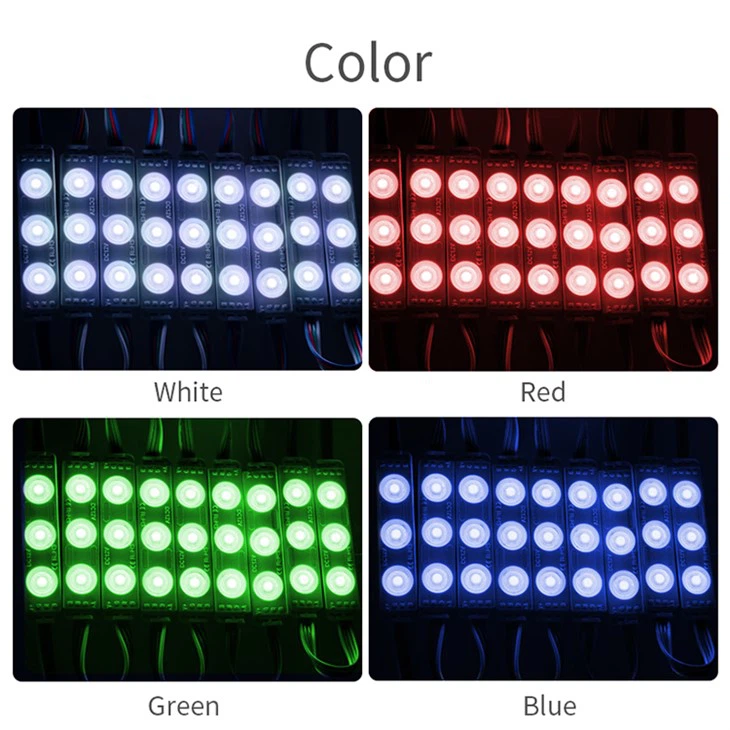
First off, let's understand what an RGB LED module is. An RGB LED module combines red, green, and blue LEDs into a single unit. This allows for a wide range of color mixing, giving users the ability to create different colors and lighting effects. You can check out our Led RGB Module for more details on the standard RGB setup. There are also other types like the RGBW LED Module, which adds a white LED for even more color options, and the RGB 3 LED Module, which has a specific configuration of three LEDs.
Now, back to the minimum operating temperature. The minimum operating temperature of an RGB LED module can vary depending on several factors. One of the main factors is the type of LEDs used in the module. Different LED chips have different temperature tolerances. Generally speaking, most commercial RGB LED modules have a minimum operating temperature in the range of -20°C to -40°C.
Why does the minimum operating temperature matter? Well, if you're planning to use the RGB LED modules outdoors in cold climates, say in a winter wonderland display or for Christmas lighting in a snowy area, you need to make sure the modules can handle the cold. If the temperature drops below the minimum operating temperature, several things can happen.
The first issue is reduced brightness. LEDs are semiconductor devices, and their performance is affected by temperature. At very low temperatures, the electrons in the LED chips move more slowly, which can lead to a decrease in the light output. So, your beautiful, bright RGB lighting might end up looking a bit dimmer than expected.
Another problem is color shift. The different colors in an RGB LED module are produced by different semiconductor materials, and each material can be affected differently by temperature changes. When it gets too cold, the relative intensities of the red, green, and blue LEDs can change, causing a shift in the overall color output. This means that the color you're trying to achieve might not be the color you actually get.
In addition to reduced brightness and color shift, extremely low temperatures can also cause physical damage to the LED module. The expansion and contraction of the materials in the module due to temperature changes can lead to cracked solder joints or damaged wires. This can result in a malfunctioning LED module or even a complete failure.
So, how can you ensure that your RGB LED modules can operate at low temperatures? First, choose high - quality modules from a reliable supplier. At our company, we test our RGB LED modules under various temperature conditions to ensure they meet the specified minimum operating temperature. We use high - grade LED chips that are designed to perform well in cold environments.
If you're using the RGB LED modules in an area with extremely low temperatures, you might also consider using a heating element or insulation. A small heating element can help keep the LED module at a more stable temperature, preventing the negative effects of cold weather. Insulation can also help reduce the heat loss from the module, keeping it warmer.
It's also important to note that the power supply for the RGB LED module can be affected by low temperatures. The power supply needs to be able to provide a stable voltage and current to the LED module. Some power supplies might not work properly at very low temperatures, so make sure you choose a power supply that is rated for the temperature range you'll be operating in.
When it comes to installation, make sure the RGB LED modules are properly installed and protected. Avoid exposing the modules to direct contact with snow or ice, as this can increase the risk of damage. If possible, mount the modules in a sheltered location where they are less likely to be affected by the cold wind and snow.
In conclusion, the minimum operating temperature of an RGB LED module is an important consideration, especially if you're using the modules in cold environments. By understanding the factors that affect the minimum operating temperature and taking the necessary precautions, you can ensure that your RGB LED modules perform well and last a long time.
If you're interested in purchasing RGB LED modules for your project, whether it's for indoor or outdoor use, we'd love to hear from you. We offer a wide range of high - quality RGB LED modules that are designed to meet your needs. Contact us to start a discussion about your requirements, and we'll work with you to find the perfect solution for your lighting project.
References:
- LED Lighting Handbook
- Semiconductor Device Physics textbooks
