

What is the power efficiency of an RGB LED module?
Thu 08,2026
Leave a message
Power efficiency is a critical factor in the world of lighting, and when it comes to RGB LED modules, understanding this concept is essential for both consumers and suppliers. As a supplier of RGB LED modules, I've witnessed firsthand the growing demand for energy - efficient lighting solutions. In this blog, I'll delve into what power efficiency means for RGB LED modules, how it's measured, and why it matters.
What is Power Efficiency?
Power efficiency, in the context of RGB LED modules, refers to the ratio of the useful light output (lumens) to the electrical power input (watts). In simpler terms, it tells us how effectively an RGB LED module converts electrical energy into visible light. A more power - efficient module will produce more light with less electricity, which not only saves energy but also reduces operating costs over time.
The formula for calculating power efficiency is:
Efficiency (lumens per watt, lm/W) = Total luminous flux (lumens) / Power consumption (watts)
For example, if an RGB LED module has a luminous flux of 800 lumens and consumes 10 watts of power, its power efficiency is 80 lm/W.
Factors Affecting the Power Efficiency of RGB LED Modules
1. LED Chip Quality
The quality of the LED chips used in the module is one of the most significant factors influencing power efficiency. High - quality LED chips are manufactured with advanced semiconductor materials and precise production processes. These chips have a higher internal quantum efficiency, which means they can convert a larger percentage of electrical energy into light. In contrast, lower - quality chips may waste more energy as heat, resulting in lower power efficiency.
2. Driver Design
The driver is responsible for regulating the electrical current and voltage supplied to the RGB LED module. A well - designed driver can ensure that the LEDs receive the optimal amount of power, maximizing their efficiency. For instance, a constant - current driver can maintain a stable current flow to the LEDs, preventing over - or under - driving, which can reduce efficiency and shorten the lifespan of the LEDs.
3. Heat Dissipation
Heat is the enemy of LED efficiency. As LEDs operate, they generate heat, and if this heat is not dissipated effectively, it can cause the LEDs to overheat. High temperatures can reduce the internal quantum efficiency of the LEDs and increase their forward voltage, leading to a decrease in power efficiency. Therefore, proper heat dissipation mechanisms, such as heat sinks or fans, are crucial for maintaining high power efficiency in RGB LED modules.
4. Color Mixing and Control
RGB LED modules are designed to produce a wide range of colors by mixing red, green, and blue light. However, different color combinations may require different amounts of power. For example, producing a bright white light may require more power than a dimmer, saturated color. Additionally, the control system used to adjust the color and intensity of the RGB LED module can also affect its power efficiency. An efficient control system can optimize the power consumption based on the desired color and brightness settings.
Measuring the Power Efficiency of RGB LED Modules
To accurately measure the power efficiency of an RGB LED module, several parameters need to be considered.
1. Luminous Flux
Luminous flux is a measure of the total amount of visible light emitted by the RGB LED module. It is measured in lumens (lm). To measure the luminous flux, a integrating sphere is commonly used. The RGB LED module is placed inside the integrating sphere, and a photometer measures the light intensity at multiple points inside the sphere. The data is then used to calculate the total luminous flux.
2. Power Consumption
Power consumption is measured in watts (W). A power meter can be used to measure the electrical power input to the RGB LED module. The power meter measures the voltage and current supplied to the module and calculates the power consumption using the formula P = VI, where P is power, V is voltage, and I is current.
Once the luminous flux and power consumption are measured, the power efficiency can be calculated using the formula mentioned earlier.
Why Power Efficiency Matters for RGB LED Modules
1. Energy Savings
One of the most obvious benefits of high - power - efficiency RGB LED modules is energy savings. In today's world, where energy conservation is a top priority, using energy - efficient lighting solutions can significantly reduce electricity bills. For commercial applications, such as retail stores, restaurants, and offices, the energy savings can be substantial over time.
2. Environmental Impact
Reducing energy consumption also has a positive environmental impact. By using less electricity, RGB LED modules with high power efficiency help to reduce greenhouse gas emissions associated with power generation. This makes them a more sustainable lighting option compared to traditional lighting sources, such as incandescent bulbs and fluorescent tubes.
3. Longevity
Power - efficient RGB LED modules tend to have a longer lifespan. Since they generate less heat, there is less stress on the LED chips and other components, which can extend their operational life. This means fewer replacements and less waste, further contributing to environmental sustainability.
Our RGB LED Module Offerings
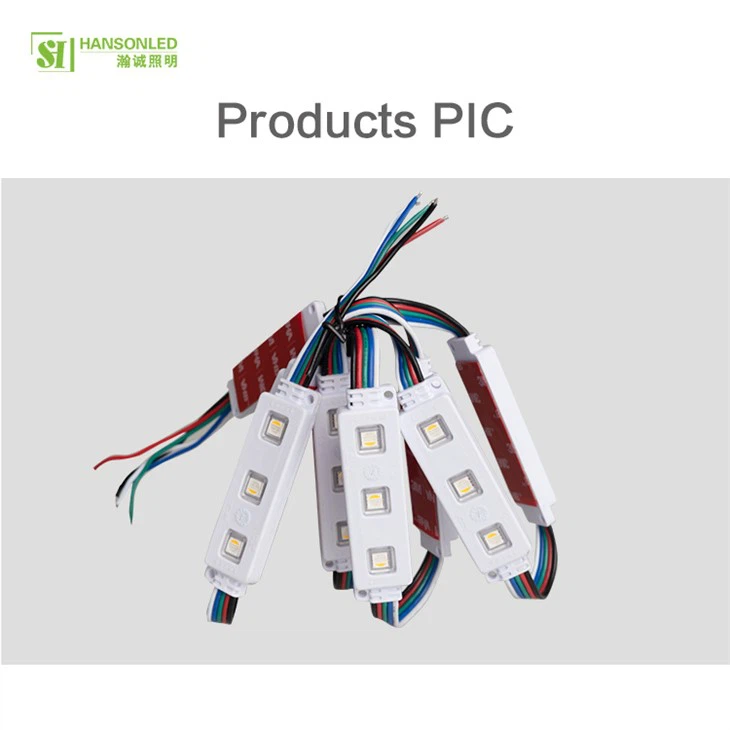
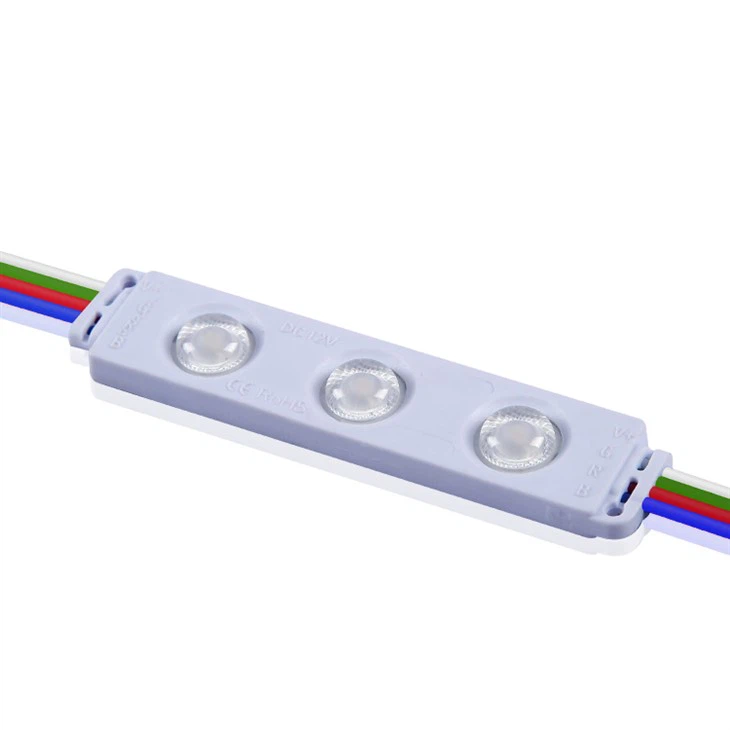
As a supplier, we offer a wide range of RGB LED modules, including the RGB 3 LED Module, RGBW LED Module, and Led RGB Module. Our modules are designed with high - quality LED chips, efficient drivers, and effective heat dissipation mechanisms to ensure maximum power efficiency.
We understand that different applications have different requirements, so we also offer customized solutions. Whether you need a module for architectural lighting, stage lighting, or decorative lighting, we can work with you to develop a product that meets your specific needs.
Contact Us for Procurement
If you're interested in purchasing our RGB LED modules or have any questions about power efficiency and our products, we'd love to hear from you. Our team of experts is ready to assist you in finding the right solution for your lighting project. Contact us today to start the procurement process and take advantage of the energy - saving benefits of our high - efficiency RGB LED modules.
References
- "LED Lighting Handbook" by Fred Schubert and Jong Kyu Kim
- "Solid - State Lighting Technology and Applications" by Yole Développement
- Various technical papers on LED efficiency from industry research institutions.
