


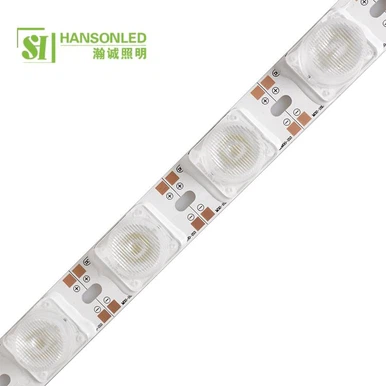
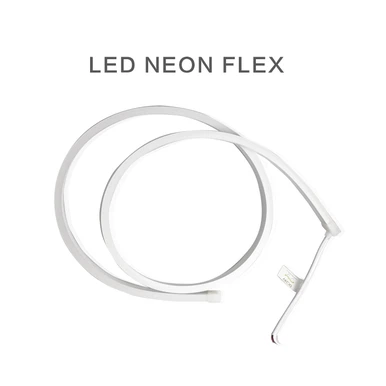
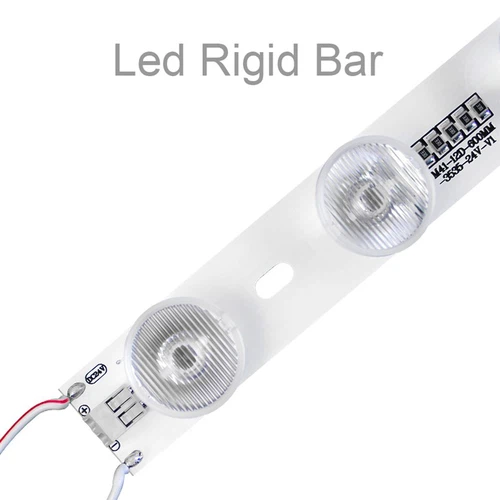
LED light bars are specially manufactured for use on cars and trucks. Designed to provide intense, focused lighting with high performance levels of energy-efficiency, they can be installed in various places such as the grille or bumper depending on one's preference. Constructed from durable materials like polycarbonate and aluminum these bars have been built strong enough to endure road conditions while also replacing regular car headlights if desired.
Advantages of LED Side Light Bar
Clear visibility
The main advantage of installing a LED bar light is that it will improve your visibility while driving. The technology present in the LED light will provide a brighter and more focused light compared to traditional lights. This will enhance your visibility in poorly lit or off-road environments. This will not only reduce the risk of accidents but also make your driving experience safer and more comfortable.
Durable
LED bar lights can have the ability to withstand extreme weather conditions like harsh temperatures, moisture and vibrations. These LED lights have a much longer lifespan than the traditional bulbs. This ensures fewer replacements and long-term savings for the years to come.
Energy efficient
These LED light Bars have proven to be energy efficient by consuming less power than halogen. It is beneficial for vehicles because lower power consumption means less strain on your car's battery. This not only will extend the battery life but also contribute to the overall fuel efficiency.
Simple installation
Installing an LED light bar for car is an easy process. They are very versatile and can be fit into different vehicles and lighting needs. This makes the LED bar lights a smart choice for car owners who are looking for an eco-friendly upgrade for their cars.
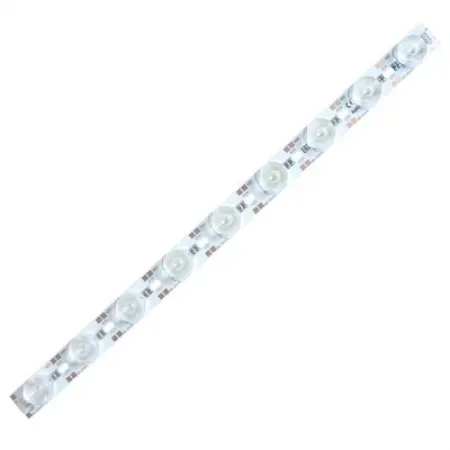
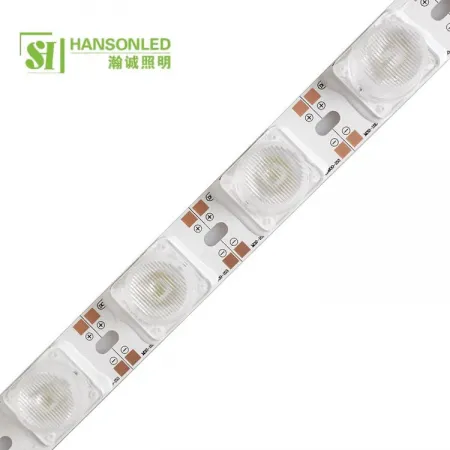
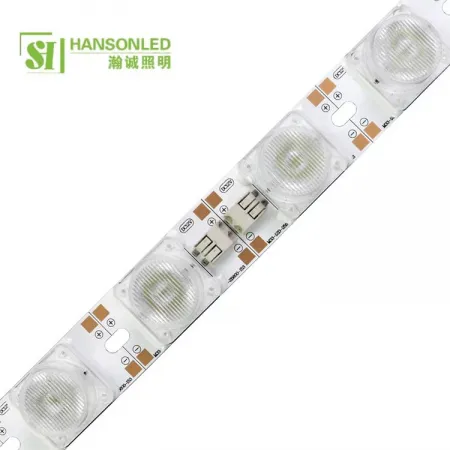
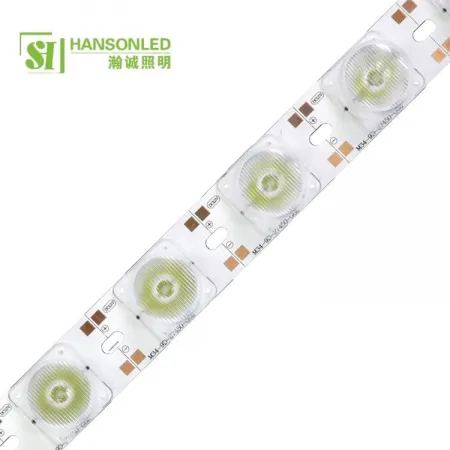
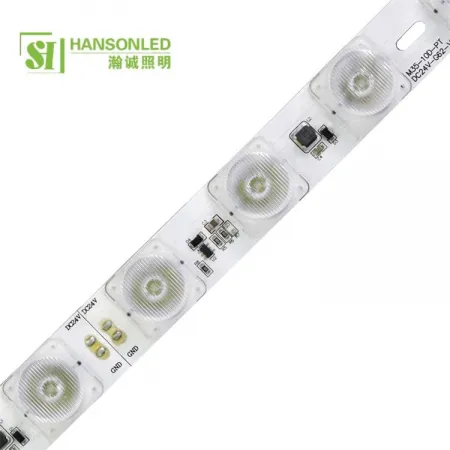
Our Factory
HansonLed Ltd is a high-tech green illumination enterprise and a high-tech enterprise in Guangdong province, established in 2013, occupied area of 2,500 square meters factory.
Our Certificate
With senior engineers' professional expertise and continuing research, we have obtained national intellectual property,The company has passed the "ISO9001 international quality system certification" and CE, RoHS, PSE, UL, Reach certificate for dozens of our products. HansonLed owns the strongest R & D team.
Product
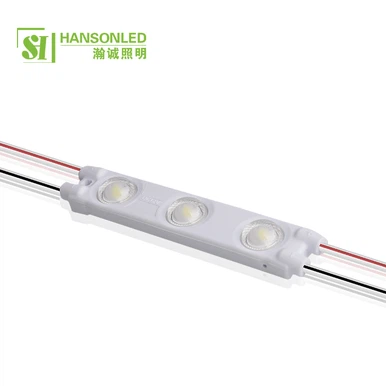
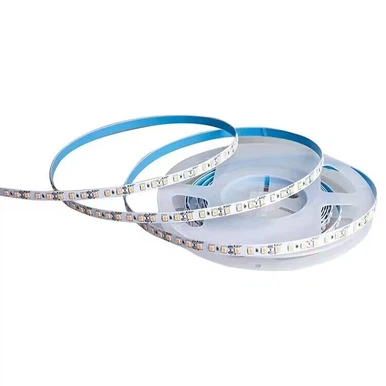
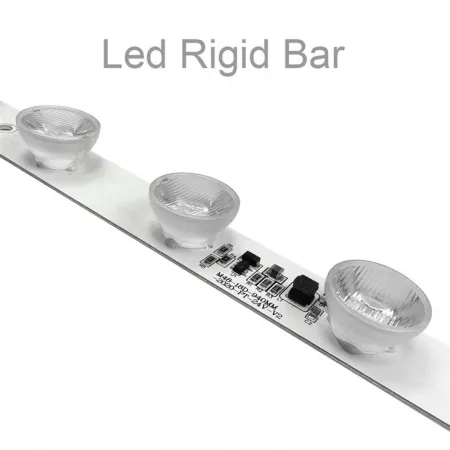
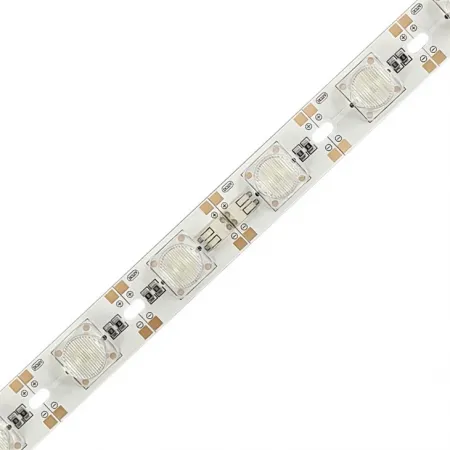
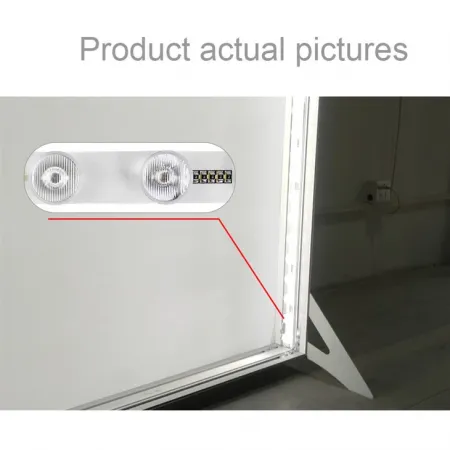
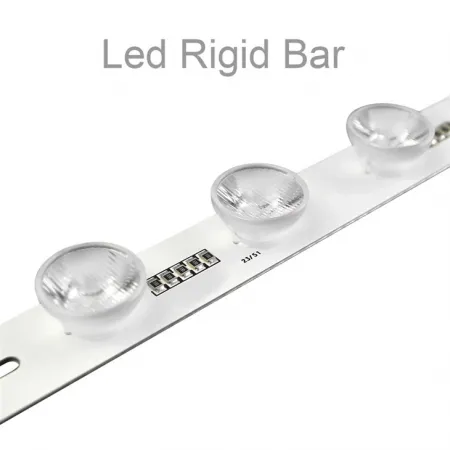
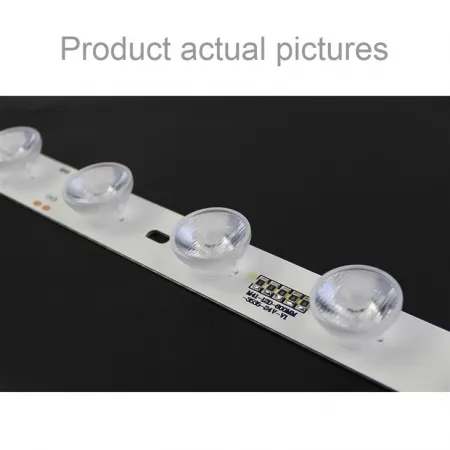
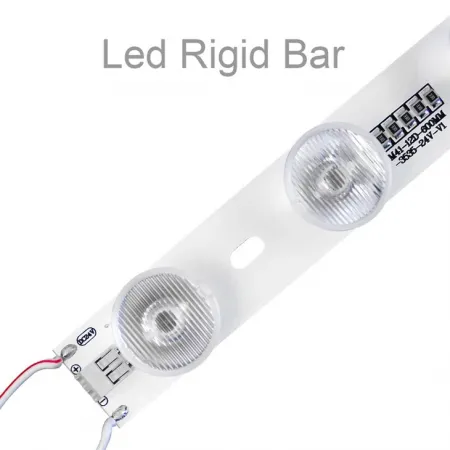
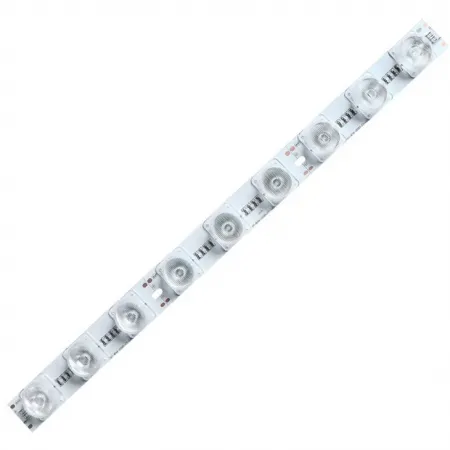
HansonLed is foucs on the LED lighting Source products. At present, HansonLed's indoor LED lighting product ranges cover LED Flexible Strips,LED Linear Strip. LED Module, LED Rigid bar, LED Ambient Light hundreds of varieties, widely applied in Channal Letter,Shops sign, Lighting box ,housing and accommodation, public facilities.
Our Service
10 Years Production experience in LED Strip ,LED Module and LED Lighting products.
More stable product quality
Our customers are located in more than 30 countries including North America, South America and Europe. We are located in the industrial belt and can obtain high-quality parts at low cost
OEM/ODM are accepted
You can get the ultimate cost performance by buying our products. Pick up the goods directly from the factory, the price is more favorable
How to Choose LED Strip Lights Based on Lumens per Foot for Various Uses
Lumens per Foot
Lumens per foot, also known as luminous flux density, measures the total amount of visible light emitted by an LED strip per foot of length. It provides a direct indication of the strip's brightness level, making it a crucial metric in choosing the right LED strip lights for your needs.
Factors Affecting Lumens per Foot
LED Chip Quality: The quality of the LED chips used in the strip greatly influences its luminous efficacy. High-quality LED chips tend to produce more lumens per watt, resulting in brighter and more efficient lighting.
Color Temperature: Color temperature, measured in Kelvin (K), affects the perceived brightness and ambiance of LED strip lights. Warmer color temperatures (below 3000K) tend to appear softer and more inviting, while cooler temperatures (above 5000K) provide a brighter, daylight-like illumination.
Strip Design and Materials: The design and materials of the LED strip can also impact its luminous efficacy. Factors such as the density of LEDs per foot, the efficiency of the reflective layer, and the quality of the phosphor coating can all affect the strip's overall brightness output.
Power Supply: Proper supply ensures optimal performance. It is best to follow the recommended 80%/30% rule when powering up your LED lights installation to ensure that you have enough power. The best way to check this is by using this Simple Power Supply Calculator - this will show the maximum and minimum capacity you'll need for your installation.
Selecting LED Strip Lights Based on Lumens per Foot
Determine Lighting Requirements: Before choosing LED strip lights based on lumens per foot, it's essential to assess your specific lighting requirements. Consider factors such as the intended application, desired brightness level, and ambient lighting conditions in the space.
Calculate Lumens Needed: To determine the appropriate lumens per foot for your LED strip lights, calculate the total lumens required based on the size and brightness requirements of the space. This can be done by multiplying the desired illuminance level (measured in lux) by the area to be illuminated (in square feet).
Compare Lumens per Foot Ratings: When comparing different LED strip lights, pay close attention to the lumens per foot ratings provided by the manufacturer. Opt for LED strips with higher lumen outputs per foot for brighter illumination, especially in spaces where higher light levels are desired or if the project requires one.
Consider Color Rendering Index (CRI): In addition to lumens per foot, consider the Color Rendering Index (CRI) of the LED strip lights. CRI measures the accuracy of the light in rendering colors compared to natural daylight. A higher CRI indicates better color accuracy, which is crucial in settings where color rendition is important, such as retail displays or art studios.
Here is the step to take to properly test your light bar:
Step to take: Check the power source. Little or no power will lead to poor or no light generation at all. Remember, the power source is your vehicle's battery, so do the following.
Evaluate the age of your battery: If your battery is very old, it may not be able to produce the amount of voltage your light needs to turn on. Use a multi-meter to test your battery to see if it has 12 volts when the engine is off and 14 volts when the engine is on. If the voltage is below 12 and 14, respectively, you will need to get a new battery for your car.
Wire connections: Check for loose connections that may restrict power flow from the battery to the LED light. Tighten all battery terminals according to the specifications.
The above is the first step. The second step involves bar wiring harness inspection.
Ground and Bar Power: Examine the ground and power connections and ensure that they are not corroding and that they are properly connected.
Fuse: Inspect the fuse carefully, especially the conductive strip mostly made with metal. Confirm that it hasn't blown out. If the fuse is bad, you can replace it with a new one with the same power rating.
4 LED Light Bar Safety Precautions You Must Follow
Check with local regulations
Prior to installation, see to it that you have already checked local and state regulations regarding the use of LED devices for automotive applications to avoid unknowingly breaking the law and paying fines.
Ensure that the light bar is firmly secured to your vehicle
When mounting the light bar, see to it is firmly secured to your vehicle to ensure that it won't fall out. This is very important, especially when you'll be driving your vehicle on bumpy roads and uneven terrain. Otherwise, a loose connection might cause some problems or prevent the lighting device from performing optimally.
Don't look directly at the light bar
After ensuring your light bar and vehicle's safety, let's go to keeping you safe when using the lighting device. Don't stare directly at the 4WD LED bar light when it is turned on. Because the light bar, particularly the larger models, is known for producing light with thousands of lumens, it can hurt your eye if you look directly at it. Be sure to turn it off before inspecting the light bar to avoid damage to your eyesight.
Avoid touching the light bar
Just like other light sources, LED light bars can get very hot after a certain period of time. As such, make sure that you avoid touching the housing of your LED light when it is switched on. Otherwise, you might burn yourself.
Step-by-step cleaning guide
Follow these steps to clean your led light bars effectively:
Preparation
Turn off the lights: Ensure the lights are off and cool to the touch.
Gather supplies: Have all your cleaning materials ready.
Initial rinse
Rinse with water: Use a low-pressure hose to rinse off loose dirt and debris. Avoid high pressure as it can damage the light bar's seals.
Apply soap
Mix soap solution: Combine mild car wash soap with water in a bucket.
Apply soap: Use a microfiber cloth or sponge to apply the soapy water to the light bar. Gently scrub to remove dirt.
Rinse again
Final rinse: Rinse the light bar thoroughly with clean water to remove all soap residue.

Scrub stubborn dirt
Use a soft brush: For stubborn dirt, use a soft brush to gently scrub the surface. Be careful not to scratch the lenses.

Clean the lenses
Lens cleaning solution: Apply a lens cleaning solution to a microfiber cloth and gently clean the lenses. This helps maintain clarity and light output.

Drying
Dry with microfiber cloth: Use a clean microfiber cloth to dry the light bar.
Use compressed air: Blow out any remaining water from hard-to-reach areas with compressed air.
In addition to cleaning, regular maintenance is crucial for keeping your led light bars in top condition:
Inspect for damage
Check for cracks: Regularly inspect the light bar for cracks or damage to the lenses and housing.
Examine seals: Ensure the seals are intact to prevent water ingress.
Tighten mounts
Secure mounting: Check and tighten the mounting brackets to ensure the light bar is securely attached to your vehicle.
Electrical connections
Inspect wiring: Regularly check the wiring for signs of wear or damage.
Clean connectors: Use electrical contact cleaner to clean the connectors and ensure a good connection.
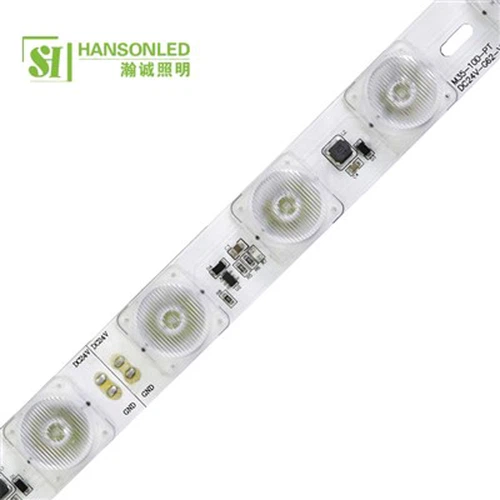
Advanced care tips
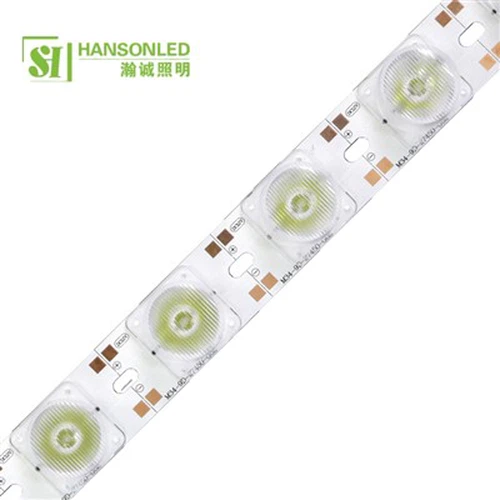
For those who want to go the extra mile in maintaining their led light bars, consider these advanced care tips:
1. Use protective covers
Install covers: Use protective covers when the light bars are not in use to shield them from dirt and debris.
2. Apply anti-fog treatment
Anti-fog spray: Apply an anti-fog treatment to the lenses to prevent fogging in humid conditions.
3. Use uv protectant
Uv protectant spray: Apply a uv protectant to the housing and lenses to prevent sun damage and fading.
FAQ
We're well-known as one of the leading LED side light bar manufacturers and suppliers in China. Our factory offers high quality LED side light bar made in China with low price. Welcome to contact us for customized service.
