

Can the 3838 RGB LED Strip be used for stage lighting?
Fri 18,2025
Leave a message
Can the 3838 RGB LED Strip be used for stage lighting?
As a supplier of 3838 RGB LED strips, I've often been asked whether these strips are suitable for stage lighting. In this blog post, I'll delve into the characteristics of 3838 RGB LED strips and explore their potential applications in the stage lighting domain.
Understanding the 3838 RGB LED Strip
Before discussing its use in stage lighting, let's first understand what a 3838 RGB LED strip is. The "3838" refers to the size of the LED chip on the strip. These strips are composed of multiple RGB (Red, Green, Blue) LED chips arranged in a linear fashion on a flexible circuit board. The RGB combination allows for the creation of a wide spectrum of colors by mixing different intensities of red, green, and blue light.
One of the key advantages of the 3838 RGB LED strip is its flexibility. The strip can be bent, curved, and even cut to specific lengths (usually at designated cutting points) to fit various installation requirements. This makes it highly adaptable for different stage setups, whether it's a small local theater or a large concert arena.
Another important feature is its energy - efficiency. Compared to traditional stage lighting sources such as incandescent or halogen lamps, 3838 RGB LED strips consume significantly less power while providing comparable or even better illumination. This not only helps in reducing the overall energy costs but also contributes to a more sustainable stage production.
Advantages of Using 3838 RGB LED Strips for Stage Lighting
Color Variety
Stage lighting often requires a diverse range of colors to create different moods and atmospheres. The 3838 RGB LED strip excels in this aspect. With the ability to mix red, green, and blue light in various proportions, it can produce millions of different colors. For example, a warm red can be used to create a passionate and intense scene, while a cool blue can set a calm and mysterious tone. This color - changing capability allows lighting designers to bring their creative visions to life on stage.
Dynamic Lighting Effects
In modern stage productions, dynamic lighting effects are crucial to engage the audience. 3838 RGB LED strips can be easily controlled using DMX (Digital Multiplex) controllers or other lighting control systems. These controllers can adjust the color, brightness, and flashing speed of the LEDs, enabling the creation of effects such as color fades, strobes, and chasing patterns. For instance, a fast - paced chasing pattern can add excitement to a high - energy music performance, while a slow color fade can enhance the emotional impact of a dramatic scene.
Easy Installation
Stage setups often have tight schedules, and quick and easy installation is essential. The 3838 RGB LED strips come with an adhesive backing, which allows them to be easily attached to various surfaces such as walls, floors, and props. They can also be hidden or integrated into the stage design, providing a seamless and professional look. Additionally, the lightweight nature of the strips makes them easy to handle and transport, reducing the logistical challenges during the setup process.
Limitations and Considerations
While 3838 RGB LED strips have many advantages for stage lighting, there are also some limitations and considerations to keep in mind.
Brightness
In large - scale stage productions, the brightness of the 3838 RGB LED strips may not be sufficient on their own. The intensity of the light output depends on factors such as the number of LEDs per meter and the power supply. In some cases, additional high - intensity lighting sources may be required to achieve the desired overall brightness on stage. However, for smaller stages or for creating accent lighting, the strips can be quite effective.
Heat Dissipation
LEDs generate heat during operation, and proper heat dissipation is crucial to ensure their longevity and performance. In a stage environment where the strips may be continuously used for long periods, heat buildup can be a concern. It's important to ensure proper ventilation and heat - sinking solutions when installing the 3838 RGB LED strips. This may involve using heat - conductive materials or installing fans in the vicinity of the strips.
Comparison with Other LED Strips
When considering stage lighting options, it's also worth comparing the 3838 RGB LED strip with other types of LED strips available in the market.
The RGBW LED Strip adds a white LED to the traditional RGB combination. This can be beneficial for stage lighting as it provides a pure white light, which is often required for highlighting performers or for creating a natural - looking illumination. However, the addition of the white LED may increase the cost and complexity of the control system.
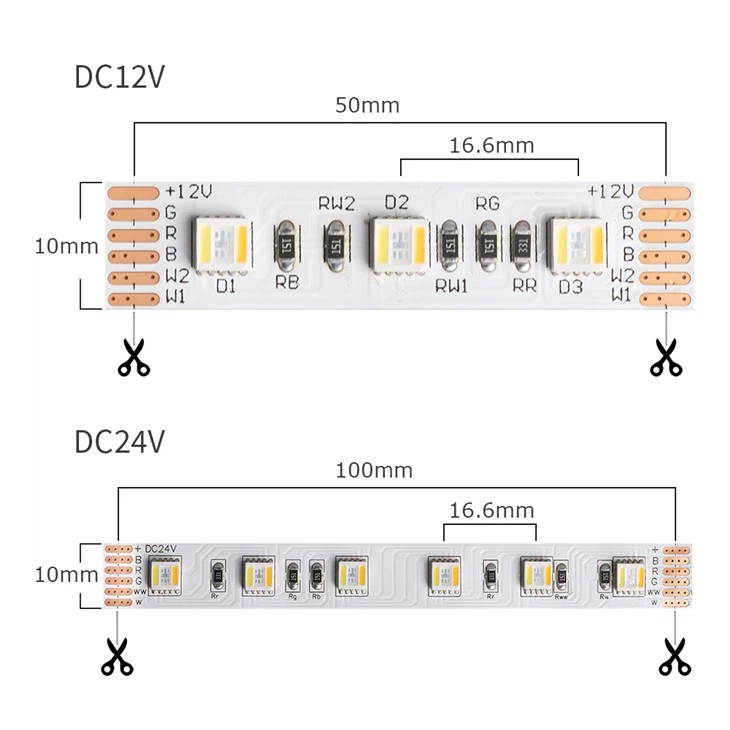
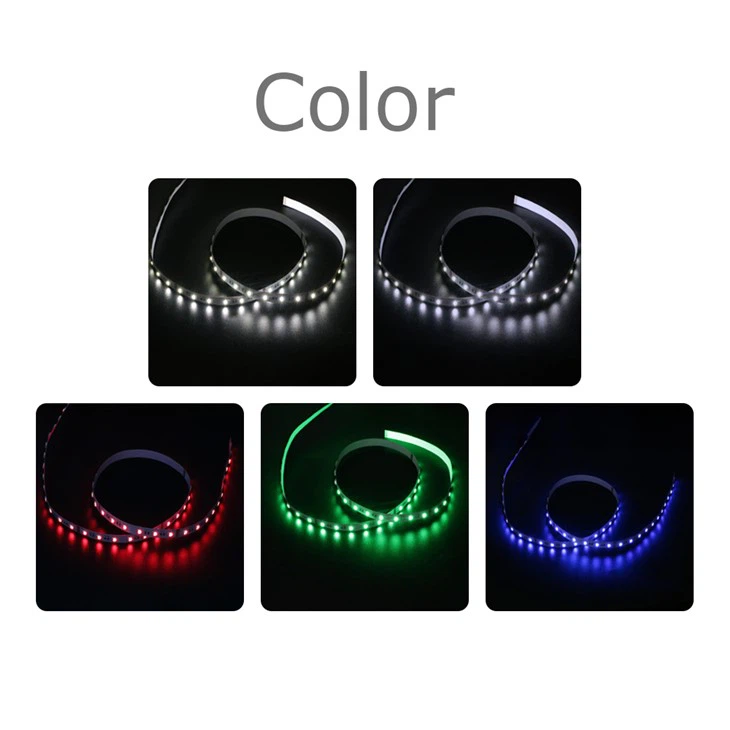
The RGBWW LED Strip takes it a step further by including both warm white and cool white LEDs. This allows for even more precise control of the color temperature, which can be useful for creating different lighting effects based on the time of day or the mood of the scene.
The RGB LED Strip 120 LED has a higher density of LEDs per meter compared to the 3838 RGB LED strip. This generally results in a more uniform and brighter light output, but it also comes at a higher cost.
Conclusion
In conclusion, the 3838 RGB LED strip can indeed be used for stage lighting, especially for smaller - scale productions, accent lighting, and creating dynamic color effects. Its flexibility, energy - efficiency, and color - changing capabilities make it a valuable tool for lighting designers. However, it's important to consider its limitations in terms of brightness and heat dissipation, and to evaluate whether it meets the specific requirements of each stage production.
If you're interested in exploring the use of 3838 RGB LED strips for your stage lighting needs, I encourage you to get in touch with me. I can provide more detailed information, product samples, and help you with the selection and installation process. Let's work together to create a stunning stage lighting experience.
References
- "LED Lighting Handbook" by some well - known lighting industry experts
- Various research papers on LED technology and its applications in stage lighting from academic journals.
