

Are 24V LED Modules compatible with smart home systems?
Thu 18,2025
Leave a message
As a supplier of 24V LED modules, I've encountered numerous inquiries regarding the compatibility of these modules with smart home systems. This topic is not only relevant but also crucial in today's technology - driven world, where smart home integration is becoming increasingly popular. In this blog, I'll delve into the details of whether 24V LED modules can be integrated into smart home systems, exploring the technical aspects, benefits, and potential challenges.
Understanding 24V LED Modules
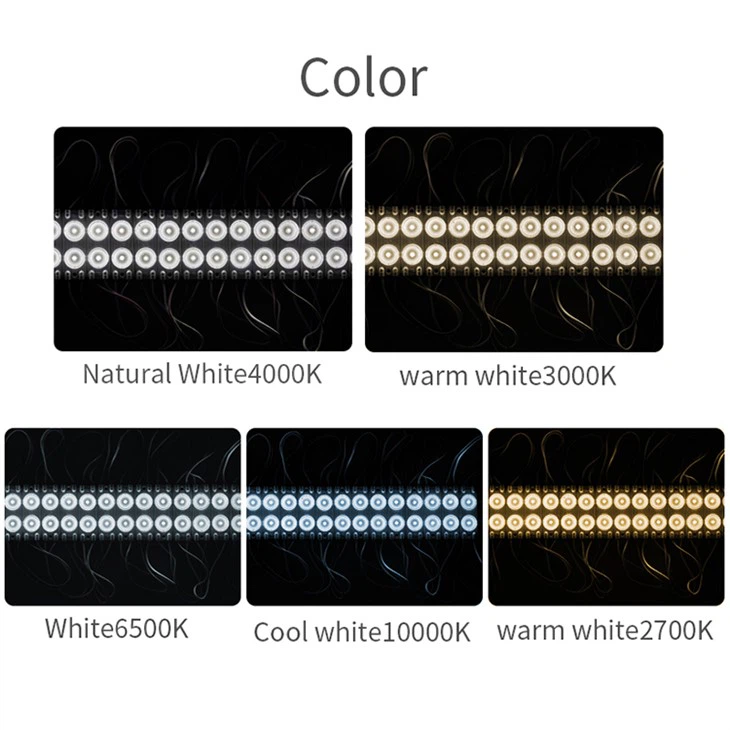
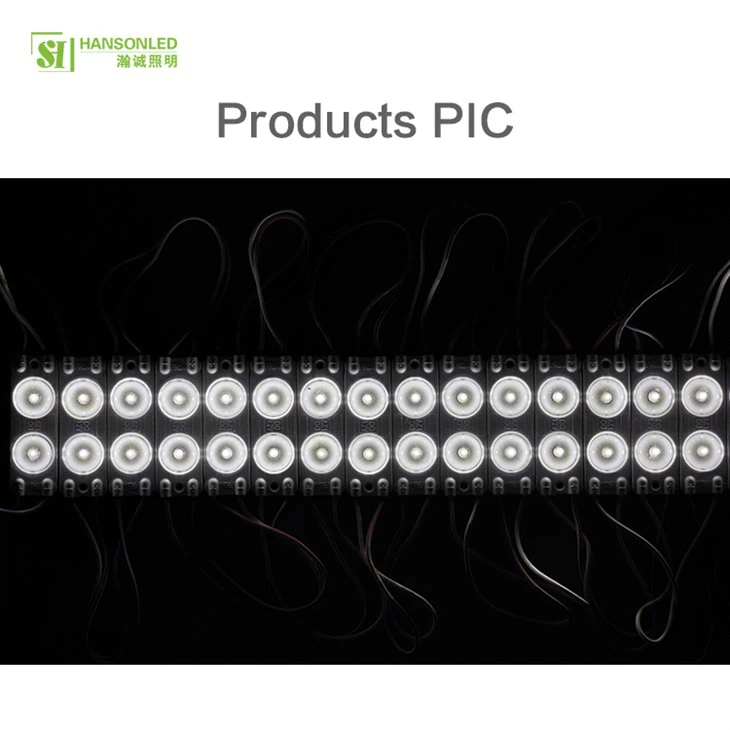
Before discussing compatibility, it's essential to understand what 24V LED modules are. These modules are lighting components that operate on a 24 - volt direct current (DC) power supply. They come in various shapes, sizes, and configurations, such as the 24V LED Module, 24V LED Module 3 LED, and 24V LED Square Module. The 24V power requirement makes them suitable for a wide range of applications, offering a balance between safety and efficiency compared to higher - voltage systems.
LED modules are known for their energy efficiency, long lifespan, and high - quality light output. They are used in both residential and commercial settings, including accent lighting, task lighting, and decorative lighting. The 24V design also allows for easier installation and reduced risk of electrical shock, making them a popular choice among DIY enthusiasts and professional installers alike.
Compatibility with Smart Home Systems
The short answer is yes, 24V LED modules can be compatible with smart home systems. However, several factors need to be considered to ensure a seamless integration.
1. Control Protocols
Smart home systems rely on various control protocols to communicate with connected devices. Some of the most common protocols include Zigbee, Z - Wave, Wi - Fi, and Bluetooth. For 24V LED modules to be compatible, they need to support one of these protocols or be connected to a compatible control device.
For example, if your smart home system uses the Zigbee protocol, you'll need a 24V LED module that either has built - in Zigbee support or can be connected to a Zigbee - enabled controller. Many modern 24V LED modules come with smart features and are designed to work with popular smart home platforms, allowing you to control the lighting remotely using your smartphone, tablet, or voice commands.
2. Power Management
Another important aspect is power management. Smart home systems often require devices to be energy - efficient and capable of being controlled in terms of power consumption. 24V LED modules are already energy - efficient by nature, but they need to be able to adjust their power usage based on the commands from the smart home system.
This means that the LED module should support dimming functionality, which allows you to adjust the brightness of the light. Most smart home systems offer dimming controls, and if the 24V LED module is compatible, you can create different lighting scenes and save energy by reducing the light intensity when it's not needed.
3. Integration with Smart Home Platforms
To fully utilize the capabilities of a smart home system, the 24V LED modules need to be integrated with the specific smart home platform you're using. Popular platforms like Amazon Alexa, Google Home, and Apple HomeKit have their own requirements for device integration.
When choosing a 24V LED module, make sure it is certified or compatible with your preferred smart home platform. This will ensure that you can control the lighting using voice commands, set up schedules, and integrate the lighting with other smart devices in your home, such as motion sensors and smart thermostats.
Benefits of Integrating 24V LED Modules with Smart Home Systems
1. Convenience
One of the primary benefits of integrating 24V LED modules with smart home systems is the convenience it offers. You can control the lighting in your home from anywhere using your smartphone or other smart devices. Whether you're at work, on vacation, or just relaxing on the couch, you can turn the lights on or off, adjust the brightness, and even change the color of the light (if the module supports color - changing features).
2. Energy Savings
Smart home systems allow you to optimize the energy consumption of your 24V LED modules. You can set schedules to turn the lights off when you're not home or adjust the brightness based on the natural light available in the room. This not only reduces your energy bills but also contributes to a more sustainable lifestyle.
3. Enhanced Lighting Scenes
With smart home integration, you can create different lighting scenes to suit your mood and activities. For example, you can set up a "movie night" scene with dimmed, warm - colored lights or a "party" scene with bright, colorful lights. This adds a new level of customization and ambiance to your living space.
Potential Challenges
1. Compatibility Issues
Despite the increasing compatibility of 24V LED modules with smart home systems, there can still be compatibility issues. Some older smart home systems may not support the latest LED module features, or there may be conflicts between different control protocols. It's important to do your research and choose products that are known to work well together.
2. Installation Complexity
Integrating 24V LED modules with a smart home system may require some technical knowledge, especially if you're dealing with multiple devices and complex control setups. You may need to install additional controllers, bridges, or gateways to ensure proper communication between the LED modules and the smart home system.
Conclusion
In conclusion, 24V LED modules are generally compatible with smart home systems, offering a convenient and energy - efficient lighting solution for modern homes. By considering factors such as control protocols, power management, and integration with smart home platforms, you can create a seamless and customized lighting experience.
If you're interested in purchasing 24V LED modules for your smart home system, I encourage you to reach out for more information. Our team of experts can provide you with detailed product specifications, compatibility advice, and help you choose the right modules for your specific needs. We're committed to providing high - quality products and excellent customer service to ensure your smart home lighting project is a success.
References
- Philips Hue Lighting: Technical Documentation on Smart Lighting Compatibility
- Zigbee Alliance: Guidelines for Zigbee - Enabled Devices
- Amazon Alexa: Device Compatibility List
- Google Home: Integration Requirements for Smart Devices
