


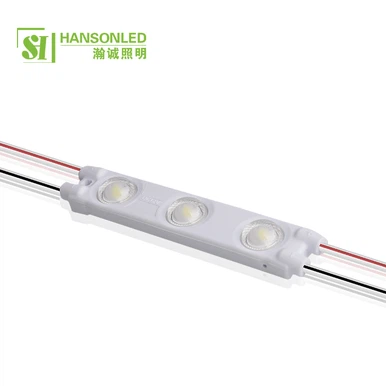
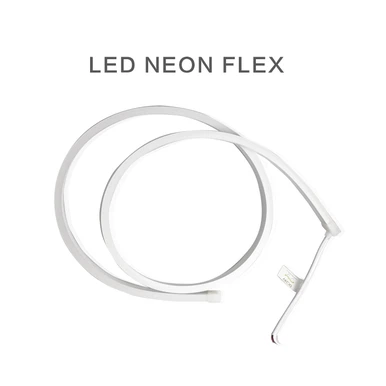
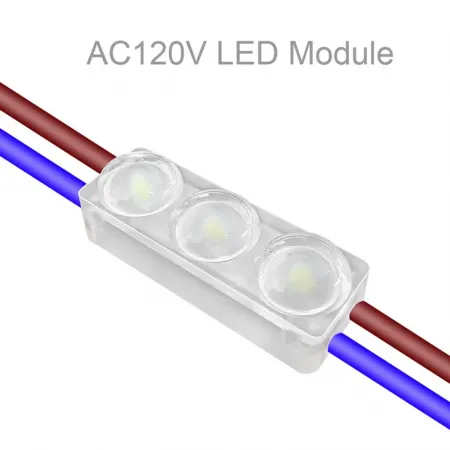
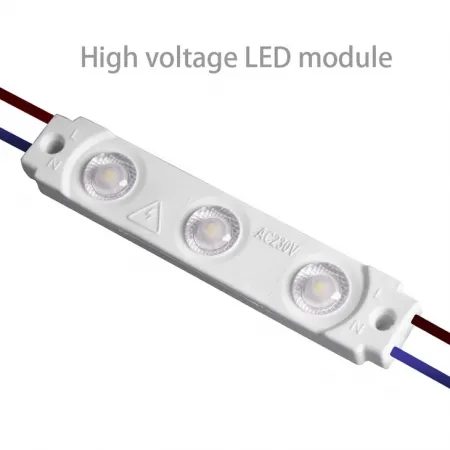
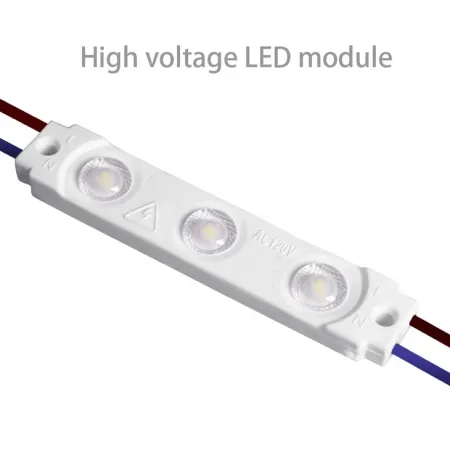
High-power LED modules are LED modules that utilize high-power LEDs as their light source. These modules are specifically designed to provide
intense and concentrated illumination for applications that require higher brightness levels or focused lighting.
High-power LEDs differ from standard LEDs in terms of their construction and capabilities. They typically have larger LED chips or multiple LED chips integrated into a single package, allowing them to generate and emit more light output. High-power LEDs also require efficient heat dissipation mechanisms to manage the increased heat generated by their higher power consumption.
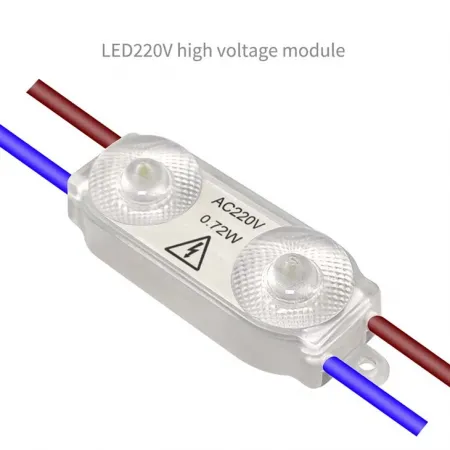
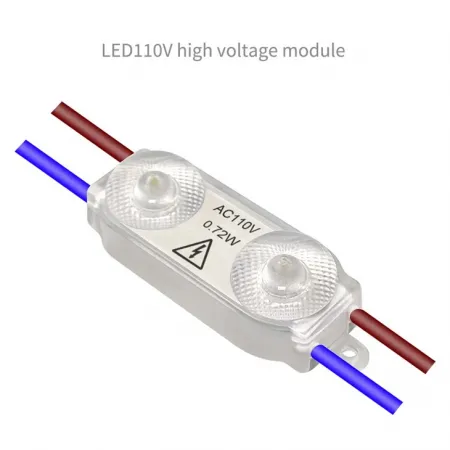
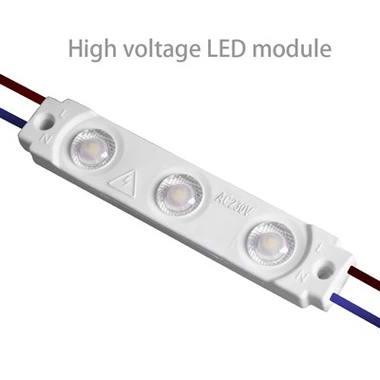
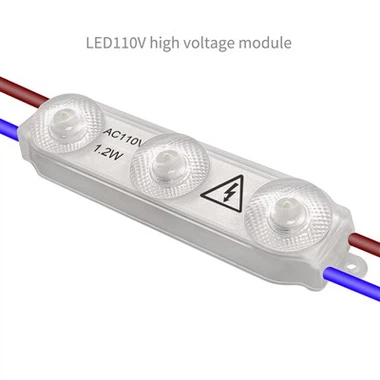
Advantages of High Voltage LED Module
Energy Efficiency
LED modules are highly energy-efficient, using up to 80% less energy than traditional lighting sources, such as incandescent bulbs or fluorescent lamps. This can result in significant energy cost savings over the lifetime of the LED module.
Long Lifespan
LED modules have a much longer lifespan than traditional lighting sources, lasting up to 50,000 hours or more, which can result in reduced maintenance and replacement costs.
Low Heat Emission
LED modules emit very little heat compared to traditional lighting sources, reducing the risk of fire hazards or heat-related damage.
Design Flexibility
LED modules come in various shapes, sizes, and colors, making them highly versatile and suitable for a wide range of lighting applications, from indoor and outdoor lighting to signage and displays.
Environmentally Friendly
LED modules are free of toxic chemicals, such as mercury or lead, and are highly recyclable, reducing their impact on the environment.
Instant On
LED modules turn on instantly and do not require a warm-up period, unlike traditional lighting sources, which can take several minutes to reach full brightness.
High Color Quality
LED modules are available in a range of color temperatures and can be designed to provide high color rendering, which can result in better color accuracy and visibility.
Our Factory
HansonLed Ltd is a high-tech green illumination enterprise and a high-tech enterprise in Guangdong province, established in 2013, occupied area of 2,500 square meters factory.
Our Certificate
With senior engineers' professional expertise and continuing research, we have obtained national intellectual property,The company has passed
the "ISO9001 international quality system certification" and CE, RoHS, PSE, UL, Reach certificate for dozens of our products. HansonLed owns
the strongest R & D team.
Product
HansonLed is foucs on the LED lighting Source products. At present, HansonLed's indoor LED lighting product ranges cover LED Flexible Strips,LED Linear Strip. LED Module, LED Rigid bar, LED Ambient Light hundreds of varieties, widely applied in Channal Letter,Shops sign, Lighting box ,housing and accommodation, public facilities.
Our Service
10 Years Production experience in LED Strip ,LED Module and LED Lighting products.
More stable product quality
Our customers are located in more than 30 countries including North America, South America and Europe. We are located in the industrial belt and can obtain high-quality parts at low cost
OEM/ODM are accepted
You can get the ultimate cost performance by buying our products. Pick up the goods directly from the factory, the price is more favorable
How to Choose the Best LED Modules
Luminous efficacy
All the LED lighting fixtures need to be DLC certified. The newest standard is DLC 5.1, which requires 140lm/W for some indoor premium products like high bay lights. In order to achive ≥140lm/W, the efficacy of led module/LED PCBA, LED Circuit boards needs to be at least 180lm/W.
Color rendering index
The most commonly used CRI index is CRI 70, CRI 80 and CRI 90. For some outdoor products, CRI 70 is still greatly used because the focus is the lumen output and it is less costly. For the led fixtures using CRI 90 leds, which are normally installed in locations which require to reflect the real color of objects, like jewelry display stores, homes, hotels. In these locations, the goal is to have the feel of comfort, not the shiny, bright light. CRI 80 plays the most important role in keeping a good balance, which is vastly used in commercial lighting like LED high bay, LED troffers and they are installed in offices, stores, warehouses, etc. Although most of manufacturers can produce products ranging from CRI70 to CRI 90, when picking a right LED, paying attention to Ra is not enough, R9 is a critical factor for indoor LED Lighting fixtures which requires>0 for DLC 5.1.
PCB
In the market, most of LED modules use Aluminum board because it has better heat dissipation function and it is less expensive than FR4 and CEM. To ship internationally, there can be two challenging aspects which aluminum PCB has to face. The one is it is heavy, which means the shipping cost can be high especially the international freight has risen to a historically high point.
Working Principle of LED Modules and Power Supplies
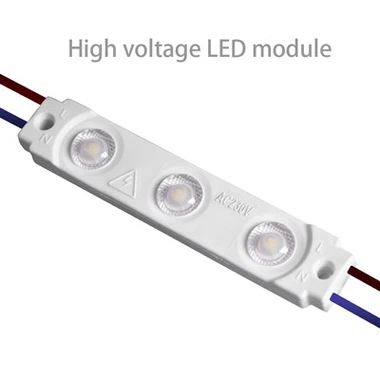
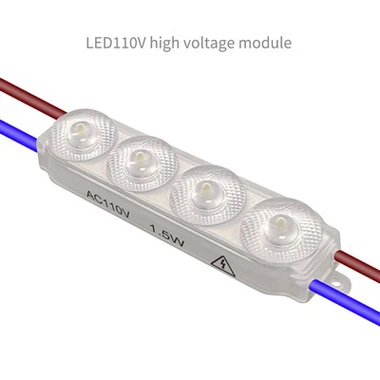
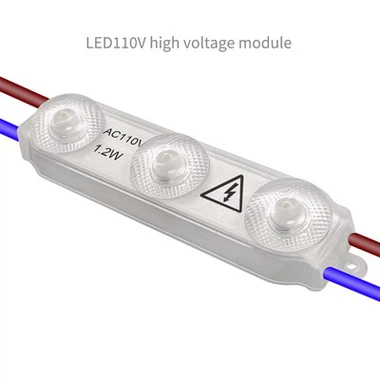
LED modules at their core are fairly straightforward. A series of modules, which contains the lighting source, connects via wires used to join and power the runs. This makes them very easy to use in channel letters. There are a number of factors to consider when selecting modules including color, color temperature, placement to avoid hot spots and how much power is needed to ensure every letter is illuminated consistently. Luckily, the manufacturers generally provide the technical information for proper installation.
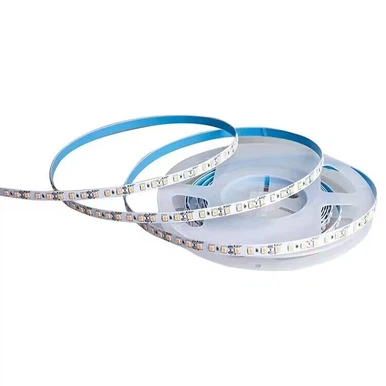
Modules are ideal for large, lit channel letters and weatherproof modules are readily available. But they can run into issues when dealing with smaller letters and signs. The solution for these compact cases is LED strip lighting. Whereas individual modules in a series are connected by wires, LED strips are a continuous row of lights on an adhesive backing — and they’re quite thin and flexible.
In most cases, complex designs such as logos and delicate serif fonts can be easily outlined for a halo effect or sandwiched between acrylic sheets to provide a fully lit letter. The strong adhesive backing stays firmly in place once it has been pressed down. Plus, most strips allow you to snap or cut the module if you need to make a bend that the tape cannot conform with. Just break, solder wires together and adhere. Keep in mind that while some exterior-friendly options are available, most LED tape products are not rated for outdoor use.
High-power LEDs are used in a wide range of applications that require intense illumination. Some common uses of high-power LEDs include:
Lighting: High-power LEDs are used for general lighting purposes, including indoor and outdoor lighting fixtures. They can be found in residential, commercial, and industrial settings, providing energy-efficient and long-lasting lighting solutions.
Automotive lighting: High-power LEDs are utilized in automotive applications such as headlights, taillights, brake lights, turn signals, and interior lighting. They offer improved visibility, energy efficiency, and design flexibility compared to traditional incandescent or halogen bulbs.
Display and signage: High-power LEDs are used in large display screens, video walls, electronic billboards, and signs. Their brightness and color versatility make them ideal for creating eye-catching visuals in various advertising and entertainment contexts.
Horticulture lighting: High-power LEDs with specific light spectrums are used in horticulture to provide artificial lighting for plant growth. These LEDs can be customized to emit wavelengths optimized for photosynthesis, promoting healthy plant growth in indoor farming, greenhouses, and vertical gardens.

Projection systems
High-power LEDs are employed in projectors and projection systems to generate bright images. They offer advantages such as longer lifespans, instant startup, and increased color accuracy compared to traditional lamps.

Medical and scientific applications
High-power LEDs find applications in medical devices, scientific research instruments, microscopy, and surgical lighting. Their controllable light output, small size, and low heat emission make them suitable for precise illumination in these fields.

Industrial and outdoor lighting
High-power LEDs are used in industrial environments and outdoor areas such as warehouses, parking lots, stadiums, and streetlights. They provide efficient and durable lighting solutions for large spaces and outdoor installations.
Indoor LED Module VS Outdoor LED Module
1. Indoor LED module
Indoor led module as the name implies is the LED module used in indoor placement.
The main application scenarios are the performance stage, exhibition, auditorium, etc.
2. Outdoor LED module
The Outdoor LED module as the name implies is placed in the outdoor use of the LED module.
The main application scenarios are sports fields, advertising scscreensoutdoor squares, etc.
3. Difference
Brightness
The brightness of indoor and outdoor is different.
Outdoor light is stronger, so the display brightness of outdoor LED
modules is generally not reflective after processing and need to be able
to display the content even in strong light.
Environment
The outdoor environment is variable, and because outdoor LED modules are
placed outdoors for a long time, so it is inconvenient to repair and
maintain, so outdoor LED modules have higher requirements for dustproof
and waterproofing.
Observation distance
The higher the pixel, the clearer the display.
Obviously, the indoor LED module has a higher requirement for pixels.
Because indoors, people can observe the indoor LED module at a close distance.
| Type | Protection grade | Brightness | Refresh Rate | Note |
| Indoor LED Module | IP54 | 600-1,000cd/m2 | 1920HZ~R3840HZ | Low power consumption, allowing for its own heat dissipation |
| Outdoor LED Module | IP65/IP68 | 5,000-10,000cd/m2 | 960HZ~1920HZ | Outdoor display modules consume a lot of power. The higher the temperature, the higher the power consumption, which will lead to shorter service |
How to Install Your LED Modules
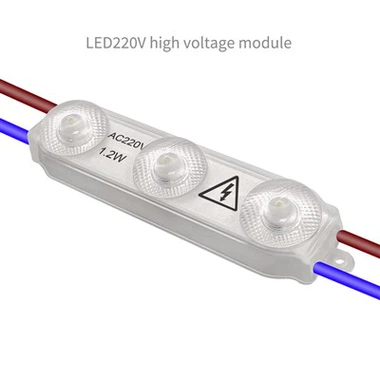
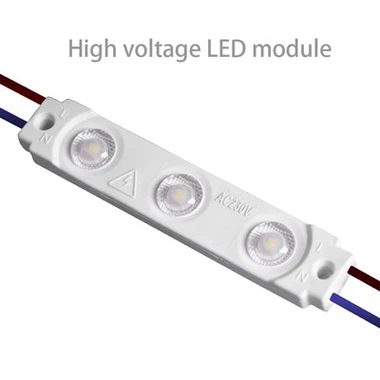
Installing LED modules involves securing the module with a safety hook and connecting the necessary flat ribbon and power cables. After positioning the module on the sign and ensuring cables are clear of edges, lock points are identified and secured using a 3mm hex key or Allen wrench. This process is repeated for each module, with a final check ensuring secure installation and proper alignment.
Ensure Safety
Before beginning the installation, attach the safety hook to the LED module to prevent it from falling during installation.
Connect Flat Ribbon Cable
Connect the required flat ribbon cable to the LED module.
Connect Power Cable
Attach the appropriate power cable to the LED module, ensuring secure connections.
Position the Module
Install the LED module onto the sign, making sure to keep all cables clear of the edges to avoid damage.
Identify Lock Points
Locate the lock points on each module, which are typically found in the center, approximately 2 inches from the top and 2 inches from the bottom.
Secure the Module
Using a 3mm hex key or Allen wrench, insert it into each lock point and turn clockwise to secure, once at the top and once at the bottom.
Repeat for Each Module
Repeat Steps 4-6 for each additional LED module you are installing.
Final Check
Once all modules are securely installed, review all connections and placements to ensure security and proper alignment.
Safety Notice
Always prioritize safety during installation. Secure all modules properly and ensure all electrical connections are safe to prevent any
How to Install Your LED Modules
accidents or damage.
There are a few key considerations to keep in mind when designing an LED module. First and foremost is the overall light output and efficiency of the module. This will depend on a number of factors, including the type and quality of the LED chips, the arrangement and spacing of the chips, and the materials used for the substrate and reflectors.
Overall light output
Overall light output refers to the total amount of light emitted by a light source or lighting fixture. It is usually measured in lumens, which is a unit of measurement for the total amount of visible light emitted by a source. The higher the overall light output, the brighter the light emitted by the source or fixture.
Efficiency of the module
1. Choose the right type of LED: There are many different types of LEDs available, and choosing the right one can make a big difference in efficiency. Look for LEDs with high luminous efficacy, which is the measure of how much light is produced per watt of electricity.
There are a few things you should consider when choosing the right type of LED.
First, think about the purpose of the LED. Is it for indoor or outdoor use? Will it be used for lighting or decoration?
Second, consider the brightness that you need. LED brightness is measured in lumens, and the higher the lumens, the brighter the LED.
Third, think about the color temperature. LEDs come in a range of color temperatures, from warm white to cool white. The color temperature you choose will depend on the mood you want to create and the activities you will be doing in the space.
Lastly, consider the quality of the LED. Look for LEDs that are Energy Star certified for energy efficiency and have a high Color Rendering Index (CRI) for accurate color rendering.
2. Use a high-quality driver: The
driver is the component that regulates the voltage and current to the LED. Using a high-quality driver can help to ensure that the LED operates at its maximum efficiency.
To choose a proper driver for a LED module, you should consider the voltage and current requirements of the LED module.
First, you need to determine the voltage and current rating of the LED module. This information is usually provided on the LED module's data sheet.
Next, choose a driver that can supply the required voltage and current. It is important to choose a driver that can supply the correct amount of current to avoid damaging the LED module.
You can also consider the efficiency and dimming capabilities of the driver. An efficient driver can save energy and reduce operating costs, while a dimmable driver can allow for greater control over the brightness of the LED module.
3. Optimize the heat sink:
LEDs produce heat, and if the heat isn't dissipated properly, it can reduce efficiency and longevity. Make sure your heat sink is properlysized and designed to remove heat efficiently.
To optimize the LED heat sink, there are a few things you can do:
- Choose the right size heat sink: The heat sink should be chosen based on the size and power of the LED. A larger heat sink will dissipate more heat and keep the LED cooler.
- Use a thermal adhesive: Applying a thermal adhesive between the LED and the heat sink will help to transfer heat more efficiently.
- Increase air flow: Increasing air flow around the heat sink (by using a fan, for example) will help to dissipate heat more quickly.
- Improve thermal conductivity: Using materials with high thermal conductivity (such as copper) can help to improve heat transfer and keep the LED cooler.
- Optimize the design: The design of the heat sink itself can also be optimized to improve its performance. This could include using fins or other features to increase surface area for heat dissipation.
4. Use a reflector:
A reflector can help to direct the light output of the LED in the desired direction, increasing efficiency and reducing wasted light.
To choose the best reflector for your LED module, there are several factors you need to consider. Here are some of the things you should keep in mind:
- The beam angle of the LED module:
The beam angle of the LED module will determine what kind of reflector you need. If the beam angle is narrow, then you will need a reflector with a more focused beam. - The size of the LED module: The size of the LED module will also play a role in your choice of reflector. A larger module will require a larger reflector to ensure that the light is properly dispersed.
- The desired lighting effect: The type of lighting effect you want to achieve will also influence the type of reflector you choose. If you want a more diffused light, then you will need a reflector that has a wider beam angle.
- Material of the reflector: The material of the reflector is also important. A reflector made of a high-quality material will reflect more light and be more efficient.
5. Control the voltage and current: LEDs are sensitive to voltage and current fluctuations. Using a constant voltage or current source can help to maintain stable operation and increase efficiency.
By following these tips, you can make your LED module as efficient as possible and ensure that you get the most out of your lighting system
Another important consideration is thermal management, as LED modules can generate a significant amount of heat that needs to be dissipated in order to prevent damage to the chips and maintain their performance over time. This can be addressed through various design elements, such as incorporating heat sinks or thermal pads into the module.
FAQ
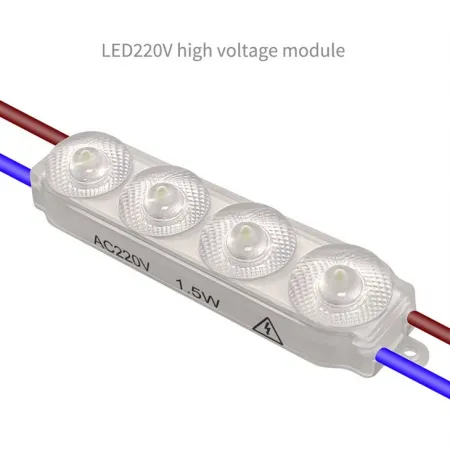
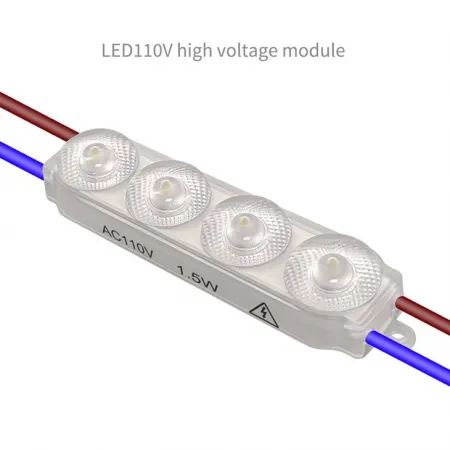
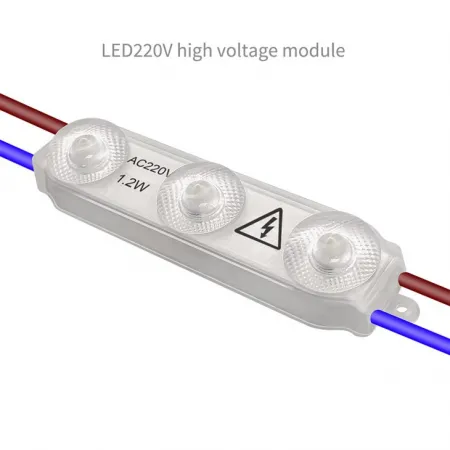
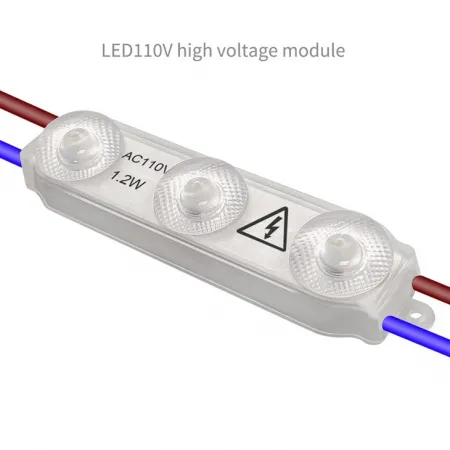
We're well-known as one of the leading high voltage led module manufacturers and suppliers in China. Our factory offers high quality high voltage led module made in China with low price. Welcome to contact us for customized service.
